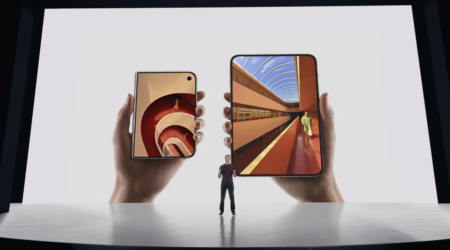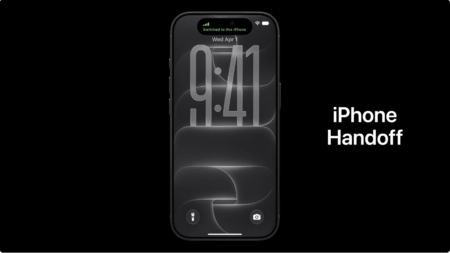





The first five minutes of John Ternus’ first keynote as Apple CEO weren’t a product unveiling or a recap of Apple’s history. Instead, they were a redefinition of the iPhone as an “intelligent personal hub.”
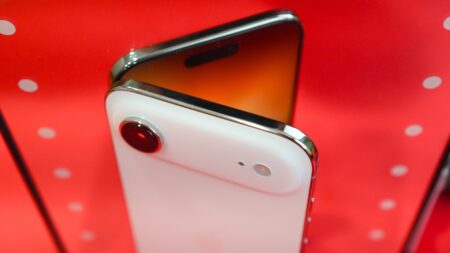
Of all the devices Apple makes, the iPhone doesn’t need to be described or explained to anyone. But this new framing of it as a hub not only set up the debut of the foldable, category-straddling iPhone Duo, an iPhone/iPad hybrid of sorts — it also suggested an AI-infused wearable device future that Apple’s already dipping its toes into.
Of all the things Apple announced during its “Surprise and shine” event this week, the one that hit hardest for me wasn’t the Duo. It was the reveal of Audio Intelligence, a new AI-powered assistive toolset that will live on the latest Apple Watches and even a range of recent iPhone models.

Audio Intelligence: A memory-keeping tool, or a listening device?
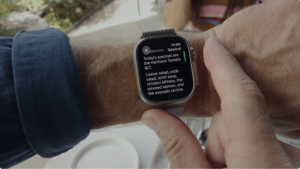
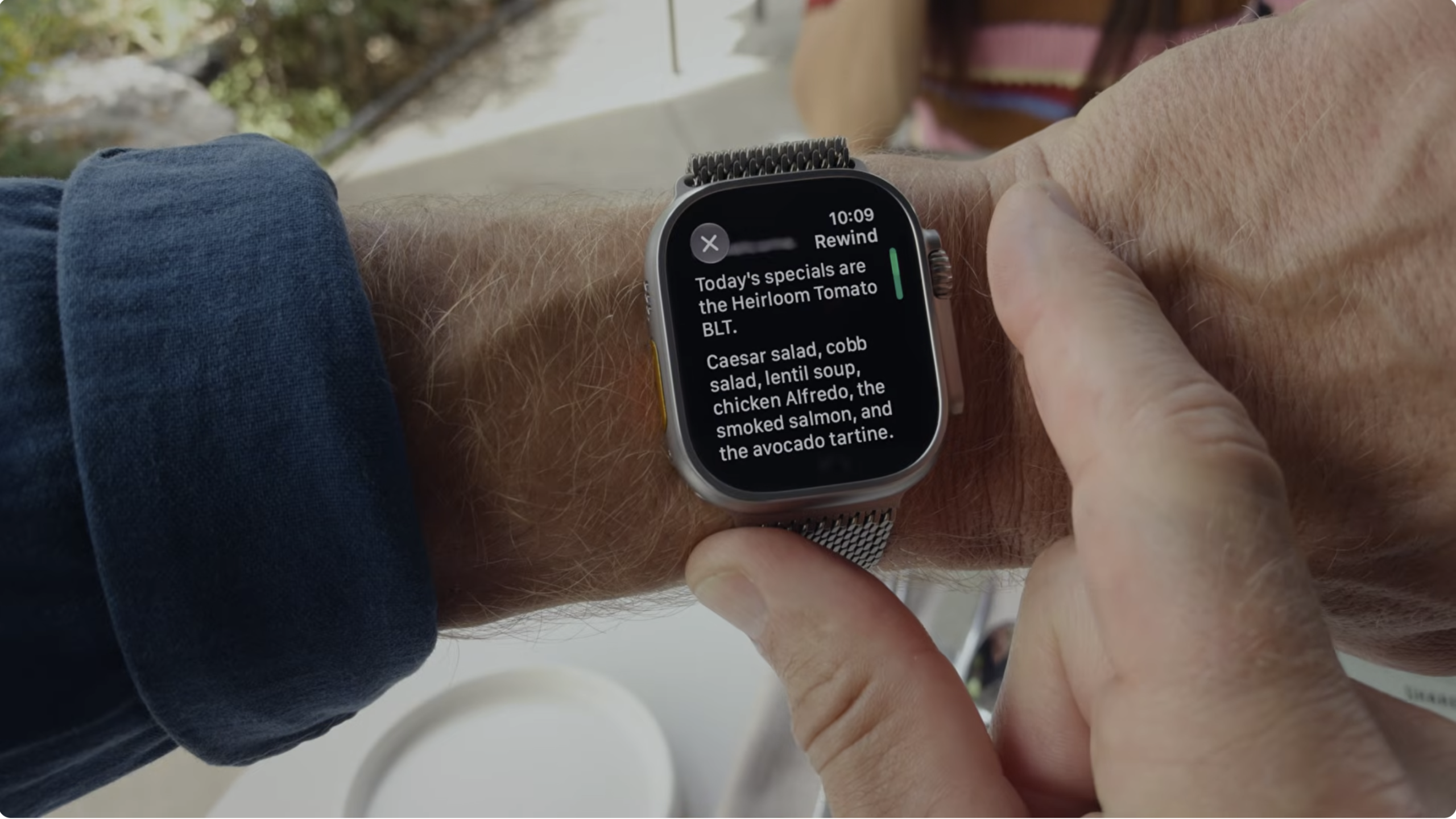
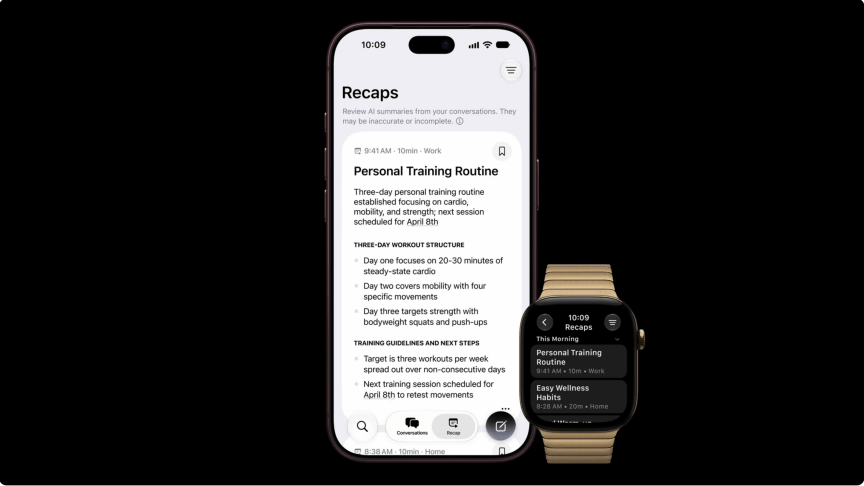
Audio Intelligence listens. And in listening, it can make memories. Or recall things. Or, in a sense, act like the sort of AI-enabled wearables I’ve been trying in various forms over the last few years. Live Rewind can check back on things said up to 15 seconds ago, while Siri Recap ambiently summarizes and transcribes conversations when it’s turned on.
Apple promises that Audio Intelligence is encrypted and that no actual audio recordings are saved. But what it does reminds me of Plaud’s AI wearables, or features like the “Conversate” transcription function on the Even Realities G2 smart glasses. Or Looki’s AI conversation summaries.
It’s designed, it seems, to run in the background and record conversations as you’re having them — transcribing them and summarizing them so you can read the text transcriptions later, or on the fly, and available in Siri to search as needed. And if you happen to miss what someone’s saying in a chat, there’s “Live Rewind” that replays the last 15 seconds of a real-life chat, like some real-life version of asking your Apple TV what someone just said on that Netflix show.
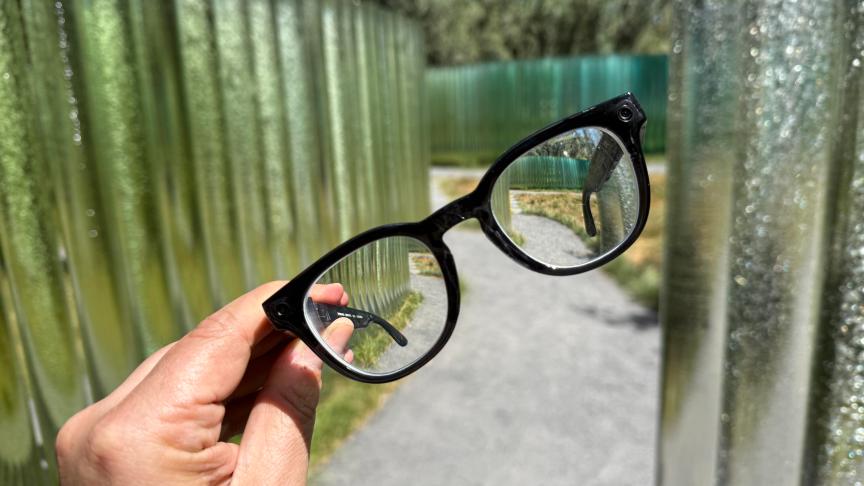
A stepping stone for visual intelligence wearables next year
Audio Intelligence also recognizes real-life sounds like sirens or doorbells, something that was already part of Apple’s assistive suite of Apple Watch and AirPod features.
What will it feel like to use Audio Intelligence on an Apple Watch? I don’t know. Maybe like wearing an AI pendant on my wrist. But also, I wonder what Apple is preparing us for next.
Recaps and summaries equal memories. Audio is easier to record than photos and video. But Visual Intelligence, a camera-based way to use Siri to analyze, translate or remember things that you see, already exists on iPhones, iPads and the Vision Pro, and Apple’s eventual next-gen AirPods are expected to have cameras in them to use Visual Intelligence in the real world — maybe in a very similar way to how Audio Intelligence seems to work on the Apple Watch.
And then there are smart glasses. Apple’s expected to have glasses next year, and the smart glasses already out there lean heavily on AI… and are starting to be feared as privacy-invading gadgets. Meta’s bearing the brunt of that anti-smart-glasses anger now, but will Apple find a way to ease people into feeling like assistive, continuously aware (and perhaps recording) AI devices are helpful, or comfortable, or acceptable? Audio Intelligence feels like one delicate foot into a zone that’s getting more intimate and strange every year.
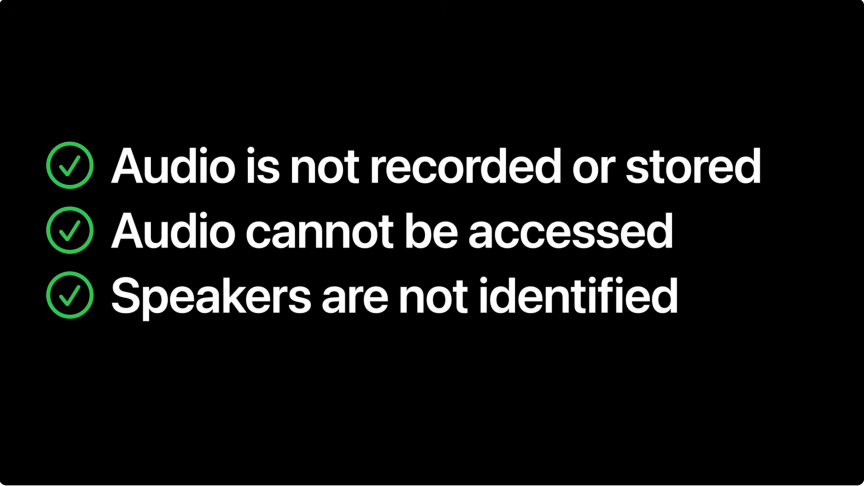
Can Apple convince us it’s safe?
Apple needs to advance its AI to find true assistive uses on glasses, but it also needs to nail down privacy concerns for always-recording wearables. I said this back in June when the debut of the new Siri clearly pointed to a framework for AI wearables and smart glasses to come.
Apple has to start somewhere. And that somewhere looks like Audio Intelligence on the new Apple Watches. And if it works in a way that feels useful and not creepy, then maybe it’s the first part of the next phase of the “intelligent hub” that Ternus’ iPhone ecosystem is heading towards in 2027 and beyond.


See full bio
Read the full article here