




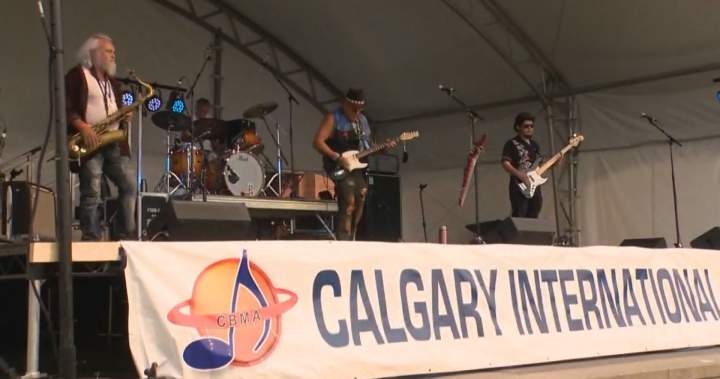
Amidst a week of attention on major music festivals and City of Calgary noise policies, a coalition of local festivals has quietly been meeting with city councillors to share concerns around mounting costs.
The group, which includes annual city staples like GlobalFest and the Calgary International BluesFest, has met with several city councillors as conversations are in “early days.”
“There are just a number of barriers that are making it increasingly more difficult for organizations, for us to do the work we’re doing,” said Ken Goosen with the Global Mosaic Alberta Society, the organization behind GlobalFest.
GlobalFest moved from Elliston Park in the city’s southeast to Spruce Meadows for the 2026 event, a move Goosen said was partly due to more than $100,000 in increased costs at the city park.
They’re not alone when it comes to increased costs, according to Cindy McLeod with Calgary BluesFest, as the event’s production budget was set to increase by 40 per cent for this year’s festival from July 30 to Aug. 2.
McLeod said inflationary pressures and a weaker Canadian dollar to bring in performers contributed to the bigger budget.
“We can’t just jack our ticket prices or the price of our beer because people won’t come,” she told Global News. “We don’t have a lot of ways to make revenues, we’re counting on community support.”
Organizers said the smaller festivals also rely on grants from the City of Calgary, including a subsidy for local festivals and events.

Get daily National news
Get daily Canada news delivered to your inbox so you’ll never miss the day’s top stories.
The Festival and Events Subsidy Program has made $3.2 million available this year for not-for-profit charitable organization, as well as Business Improvement Areas to hold events.
The program offers a 90 per cent subsidy for city services like permits, inspections, road closures and event infrastructure, which the city said is based on final event expenses.
New or first time festivals receive a 50 per cent subsidy as they must “demonstrate long-term financial and operational viability.”
“Because the city has grown and the number of events has exploded, that subsidy isn’t going as far anymore,” said McLeod. “A lot of us are really hurting; we need extra support.”
Although there have been no reductions in program funding, organizers said changes to the program that took effect last June mean costs are no longer covered for access to electricity for events on city land.
According to a city spokesperson, event organizers are now responsible for arranging their own electrical contractors, which allows them to negotiate their own services, “potentially resulting in even further savings.”
Another grant, earmarked for event operations like “electrical, power distribution and waste and recycling” is available to reimburse festival organizers, according to the city.
“But you won’t know or have any money until December, and our festivals are all happening now,” said Goosen. “That’s a huge burden to any organization.”
In a statement, the City of Calgary said it is aware of the pressures organizers are facing and it is working with local festivals.
“Festivals and events play an important role in Calgary’s cultural life and local economy,” the city said.
“We continue to listen to their feedback and identify opportunities to improve, with the goal of ensuring Calgary remains a welcoming and vibrant place to host events, and that organizers have the tools and support they need to succeed.”
Festival organizers said the conversations with city councillors have been productive about their challenges, with hope a more fulsome conversation can be had in October about increased support ahead of budget deliberations in the fall.
“We wanted to stress that we weren’t interested in slamming the city,” McLeod said. “We really wanted to stress how much we appreciate, especially the people on the ground… for all that they do to help us run our events safely and successfully.”
Read the full article here