






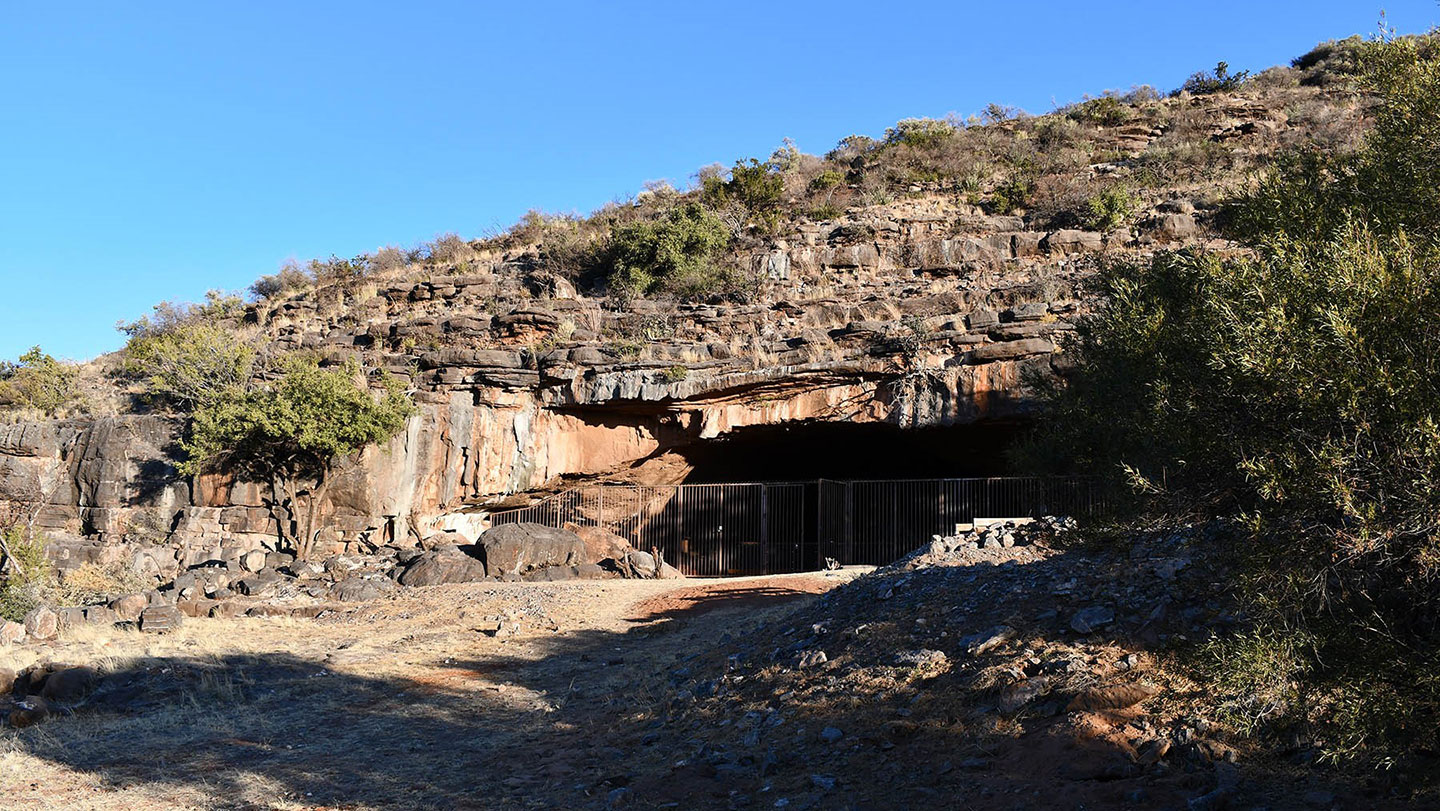
Archaeologists have discovered traces of fires built up to 1.8 million years ago in a cave in southern Africa. The burnt remnants of owl pellets reveal that the fires were regularly used by groups of the human ancestor Homo erectus, researchers report June 1 in PLoS One. The evidence pushes back the earliest-known date of the first use of flame by hundreds of thousands of years.
Before now, the earliest evidence of the use of fire by hominids was from the same cave — the Wonderwerk Cave in South Africa’s Northern Cape province — and dated to about 1 million years ago. The new evidence comes from an earlier and deeper level of sediment, says University of Toronto archaeologist Michael Chazan.
The study gives a dating window for the new evidence of between 1.07 and 1.79 million years ago, but “I’m very comfortable saying it was between 1.7 and 1.8 million years ago,” says Chazan, who leads excavations at the cave.
The study utilized a luminescence-based method of detecting burned bones that is already used in forensics, but had not yet been applied in archaeology. The tiny bones Chazan and his colleagues found were in owl pellets — indigestible balls of fur and bone that owls cough up after rodent-heavy meals.
Chazan says the cave was used as a shelter by barn owls (Tyto alba) throughout its period of ancient human occupation, and the bones were burned when fires were built on the pellet-strewn floor.
Archaeologists have determined that Wonderwerk Cave was inhabited by groups of H. erectus at this time. It’s not clear what they used the fires for, but experts think light, warmth and heat were its main appeals. But archaeological evidence suggests that H. erectus could not ignite fires – nobody knew how until about 400,000 years ago — and so they must have transported it from wildfire sites, Chazan says. “This is not human ignition of fire; it’s collecting a fire on the landscape.”
One conclusion of the study is that the early fires in Wonderwerk Cave were only occasional. “There’s a clear signal, but it’s not of year-round access to fire,” Chazan says. It’s likely wildfires happened only in hot seasons, and so may have been too unpredictable to rely on for any lasting lifestyle changes.
Read the full article here