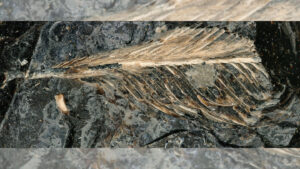





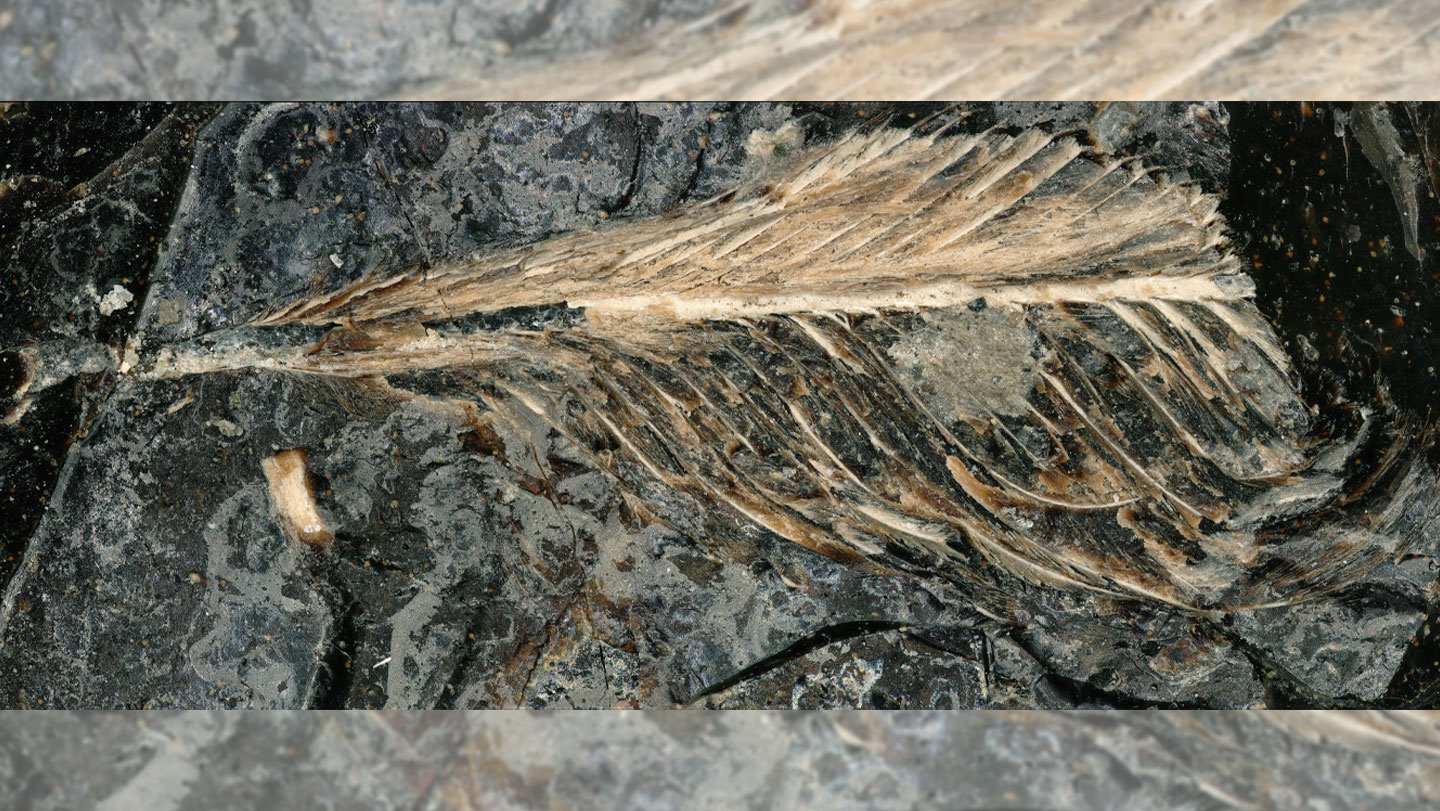
Exquisitely preserved feathers, the first ever found in fossilized dinosaur poop, are providing a peek into how some ancient birds lived — and possibly went extinct.
Dense bristles suggest some of the feathers could repel water, possibly as well as those of modern pelicans, researchers report September 10 in Current Biology. And their central shafts are filled with air pockets, a trait that in modern birds keeps plumage lightweight yet stiff enough for flight. “That’s something we’re seeing for the first time in the Age of the Dinosaurs,” says vertebrate paleontologist Jingmai O’Connor of the Field Museum of Natural History in Chicago.
The find also offers a clue that might explain why, among birds, there were winners and losers in the mass extinction that ended the dinosaurs’ reign about 66 million years ago. The ancestors of modern birds survived the asteroid-triggered event while many other types of birds, including the group these feathers came from, died out.
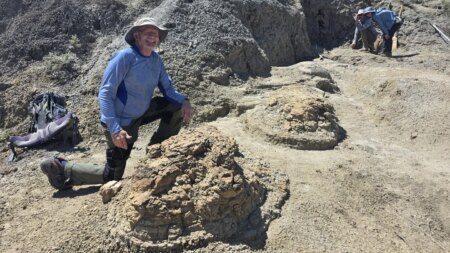
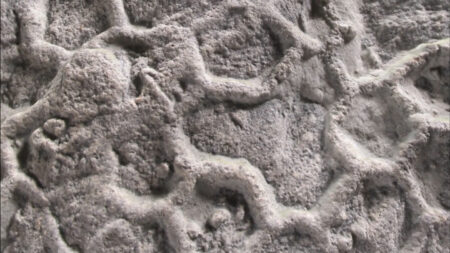
One of O’Connor’s colleagues unearthed the fossilized dung, or coprolite, in 2016 in Montana’s Hell Creek Formation. If it weren’t for a “lucky break” on the coprolite’s surface that put one feather on full display, her team might never have known it had feathers inside, O’Connor says.
The scientists used micro-CT scans to 3-D map the coprolite’s inner contents. Leg bones and fish scales suggest the bird was aquatic — a member of a group called hesperonithiforms — and that it had eaten shortly before its demise. And while some of the feathers resembled those of modern birds, others were more primitive and stringy, which could have made it difficult for the bird to maintain body heat.
Poor insulation might explain why hesperonithiforms and their close kin didn’t survive the deep chill that followed the asteroid impact, O’Connor says. But researchers need more feathers from various bird species during that time period to test the hypothesis. And fossilized feathers are incredibly rare.
Now that it’s clear poop can be an excellent guardian of plumage, O’Connor says, “people should start looking.”
Read the full article here