






Older Americans own a disproportionate share of housing in the U.S. market, and though they may be getting ready to sell, downsize, retire, or move closer to their family, the regions where they are expected to free homes are not exactly where young people want to live, a new report found.
Americans over 65 represent just 18 percent of the U.S. population, for a total of 61.2 million people, but they own as much as a third of all housing in the nation, or 29.6 million units, according to a new census data analysis from the National Association of Home Builders (NAHB). This includes baby boomers, aged between 62 and 80, and members of the so-called Silent Generation, now over 81.
Many of those who are not aging in place are already moving, transferring into multigenerational living situations, smaller homes, or retirement communities.
The rest will one day pass on their properties—and their equity—to their children and families, in what experts are calling the “Great Wealth Transfer.”
According to an estimate by Boston wealth management firm Cerulli Associates, the younger generations will inherit as much as $124 trillion from the previous one through 2048.
But while the markets that attract the younger generations might quickly and easily absorb the houses that boomers will free, those with aging populations and slow domestic and international migration might face an inventory glut.
Where Are Older Americans Living?
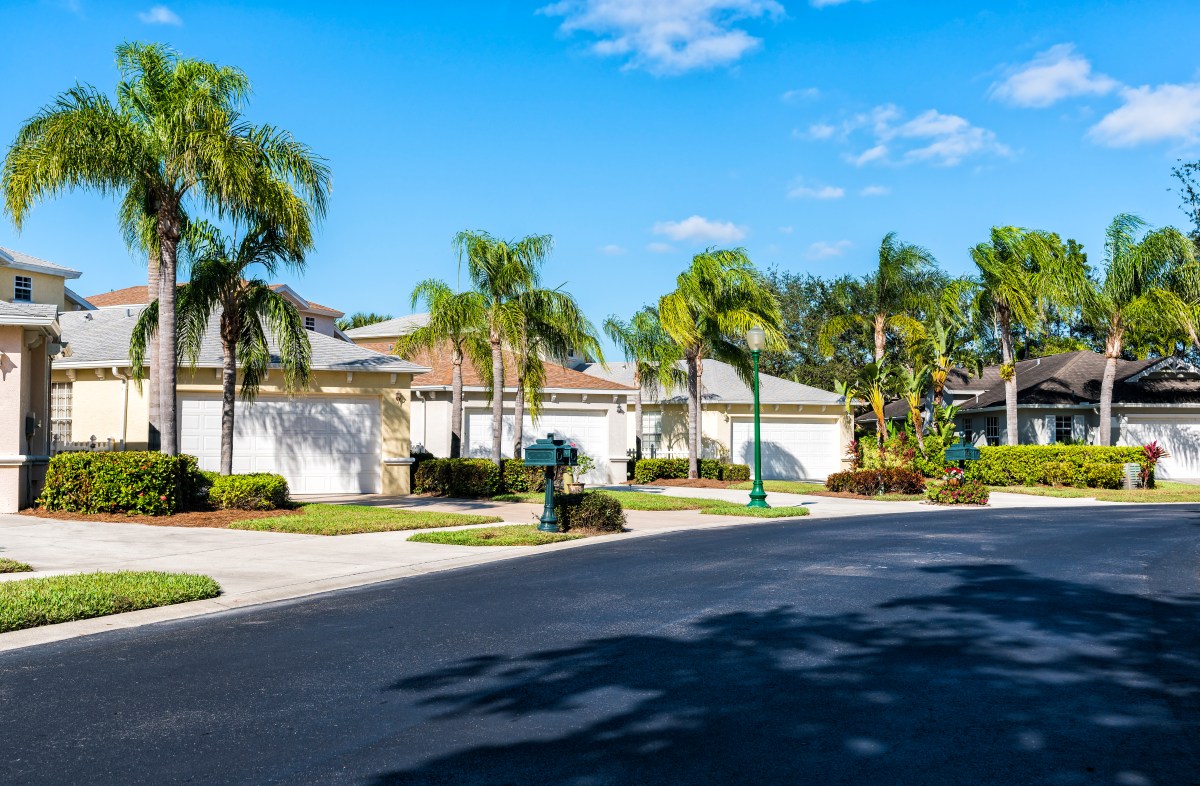
The highest share of housing occupied by Americans over 65 tends to be concentrated in the coastal areas and warmer regions of the U.S.
Unsurprisingly, Florida contains several metropolitan areas with a large population of retirees who have bought homes in the state, with seven of the top 10 highest shares being there.
Wildwood-The Villages, a metro area which includes the biggest retirement community in the world, currently has the highest concentration of homes owned by Americans over 65, at 68.2 percent.
It was followed by four other Florida metros: Homosassa Springs (52.7 percent), Punta Gorda (52.5 percent), Sebastian-Vero Beach-West Vero Corridor (50.9 percent), and Naples-Marco Island (49.0 percent).
Arizona, Massachusetts and New Mexico also feature in a list of the top 15 metros with the highest share of older households, beside other Florida metros. Barnstable Town, Massachusetts, had the sixth-highest share in the nation at 48.4 percent. Prescott Valley-Prescott, Arizona, followed with 48.0 percent. Santa Fe, New Mexico, had a share of older households of 42.7 percent.
What Does This Mean for Younger Households?
NAHB researchers analyzed headship rates—the percentage of adults designated the head of household—for older and younger generations, finding that areas with a greater concentration of older homeowners have more serious housing constraints than those with fewer Americans over 65.
Big, expensive metros like New York, Los Angeles and San Diego have consistent high housing demand, especially by young people, but the share of housing owned by older Americans is too little to make a difference when these homes will be put on the market.
On the other hand, some of the metros with the highest concentration of older households are not places where young people are likely to live. The Villages, for example, would not even be an option, as it is a retirement community marketed to those 55 and older.
Other popular retirement destinations in the Sunshine State do not have the thriving job markets that young people may seek—and affordability has plunged in recent years in many of these cities due to rising insurance costs and homeowners association (HOA) fees.
But there are also some “Goldilocks” cities—where there are a lot of older Americans but younger Americans are also still moving to. One example is Raleigh, North Carolina, where the increase in supply expected by boomers freeing their homes will free up necessary housing stock that will be absorbed by the market.
At the moment, young households seem to be concentrated in those markets where salaries are relatively high and housing is affordable.
According to a 2025 report by Evernest, a management company overseeing more than 22,000 properties in the U.S., Minnesota had the highest rate of homeownership among Americans under 35 last year, at 50.8 percent. The annual income for young workers in the state was nearly $95,000, while the average home sale price was about $323,000, the New York Times reported.
The states with the lowest share of younger households owning homes were also some of the most expensive housing markets in the country, including Hawaii (24.5 percent), New York (27.5 percent), and California (27.8 percent).
When Is the ‘Silver Tsunami’ Coming?
For years, real estate experts have been expecting the so-called “Silver Tsunami”—a wave of older Americans putting their homes on the market as they relocate to sunny retirement communities, move in with family or near them, and transfer to smaller units.
But Realtor.com economist Joel Berner said that boomers are currently incentivized to stay where they are. Mortgage rates, which were expected to lower significantly this year, are still hovering around 6.5 percent. According to a recent Harris Poll survey, 77 percent of U.S. homeowners cited mortgage rates as a reason to stay put this year.
According to Berner, we should not rely on the “Silver Tsunami” to fix the housing affordability crisis, which has its root in a chronic lack of supply in the nation.
“We’ve been discussing this Silver Tsunami for several years now, and it has yet to clearly come to bear,” he said in a statement. “It appears to be more of a gently rising tide.”
Read the full article here